Best Office Paint Colors for Productivity in Dubai

Office colours will influence both its appearance and employees’ experience. As people spend a great deal of time in offices, it is important that the atmosphere is comfortable and promotes good concentration so that employees can work in a productive manner. In addition to furniture and lighting, colour is a key factor in office design. Some colours can generate a relaxing feel, whereas other colours are great for a professional atmosphere and can also promote teamwork. In addition to deciding on colours to paint office areas with, in Dubai you must also take into account local weather and light exposure.
Offices often have extensive glazing, meaning they are highly exposed to natural light. Whether you are redecorating or establishing a new office, colour choice is an important element of office design. Wall Paint Dubai have compiled information on the most suitable office colours to boost productivity. Our office painting ideas will allow you to determine appropriate colours to add to your Dubai office interiors for employee focus and improved workplace mood.
Best Office Paint Colors for Productivity

Every colour creates a different visual effect and influences the atmosphere of a room. Some shades are better suited for focused work, while others work well in areas where employees discuss ideas and collaborate. Here are some of the best colors for office walls.
Blue

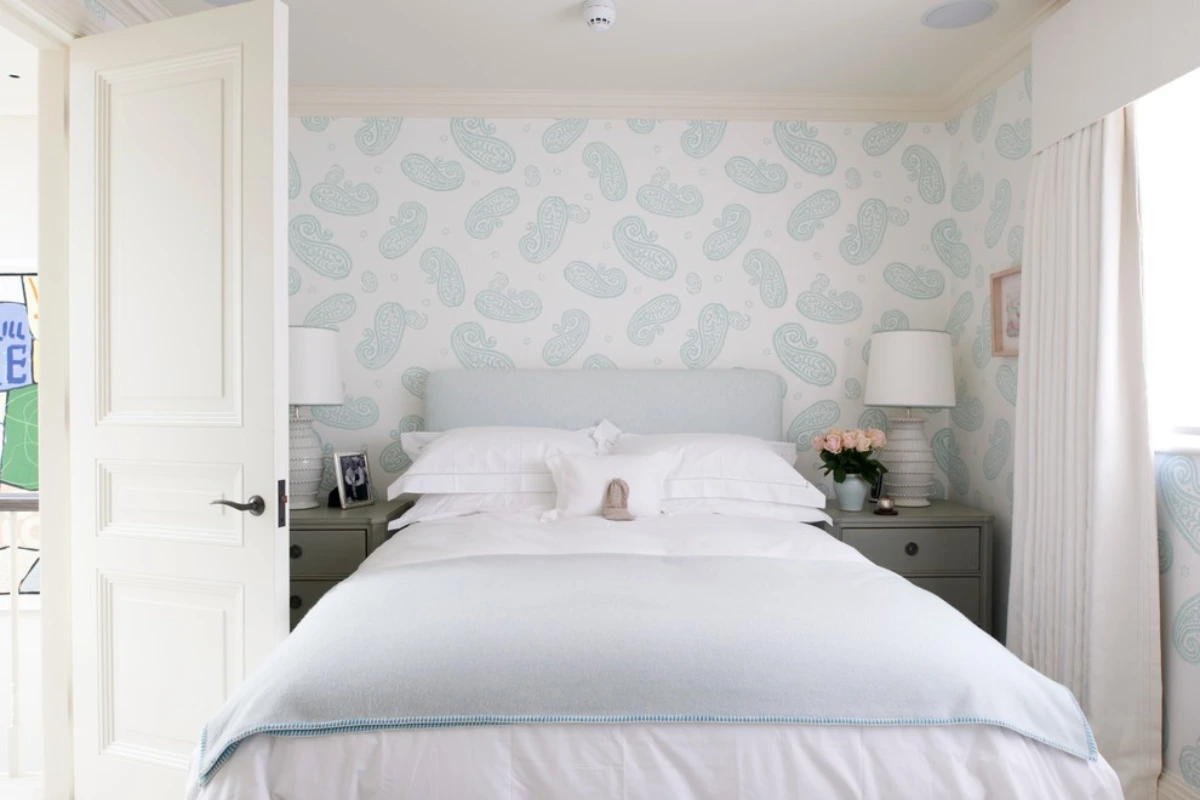
Blue is a popular colour for offices as it can produce a soothing and orderly environment. It is usually linked with good focus and a sense of order, so it is ideal for an office where employees spend many hours performing complex tasks.
Pastel shades of blue can then be used in both work and communal spaces. This produces an air of laid-back ease but without the space becoming too dim. Whereas, for a more sophisticated look, navy blue can also be utilised particularly within executive offices and boardrooms.
Green

Like blue, green is also a great colour for an office. It appears natural and can promote a calming feel within an office environment. Modern offices tend to favour pale greens, including sage and mint.
To further enhance a natural feel within an environment, try using olive green. This works well with wood, off-white walls and even greenery. Again, it can be used on just one feature wall as opposed to being used throughout an office.
White

White is a highly functional and popular colour for office walls. It is not only aesthetically pleasing but also enhances natural light and so makes an office feel lighter and more open. In addition, this is especially favourable for smaller offices and those with few windows. White can be found in many forms, such as warm, ivory and cool.
Warm white is a gentler option that effectively complements natural wood and/or warm lighting. On the other hand, cool white offers a sleeker feel and is good at combining with grey or black furniture. For a basic and professional-looking office, white is a good background colour. Additional colours can then be introduced by adding furniture, artwork, screens and embellishments.
Yellow
Yellow is often thought of as a refreshing, positive and energetic colour. It can be used within offices and is suitable for departments that engage in brainstorming and innovation, as well as teamwork.
Colours like white, pale grey and beige pair well with yellow and create an elegant interior. However, if your office has several windows and gets lots of natural sunlight, then it is best to check how yellow looks in good light, as it may look too bright for comfort.
Grey

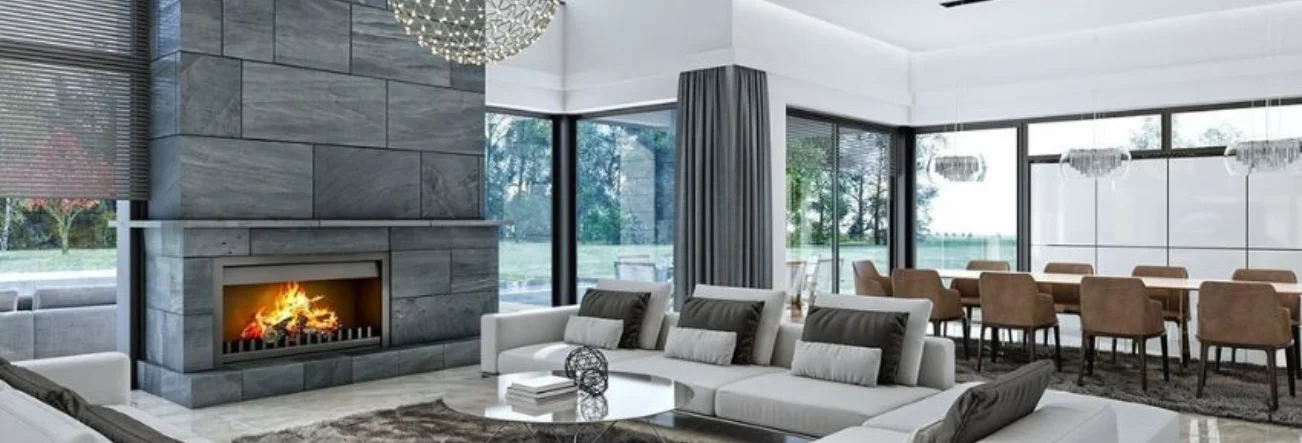
Grey is a very versatile colour which can be used within an office environment. It can be combined effectively with many different types of office furniture. Light grey can create a contemporary and open feel, and dark grey can produce a more formal atmosphere.
Light grey colour is one of the best open-plan office colors, as well as for desks, reception areas, and break rooms. Charcoal grey is ideal for use on statement walls and particular sections of an office in order to add impact.
It is also important to consider the secondary colour of your grey. Some greys have a blue secondary colour; others are more brown- or beige-based. A warm grey is good when combined with wood, and a cool grey looks great when teamed up with white and shiny surfaces.
Beige and Greige
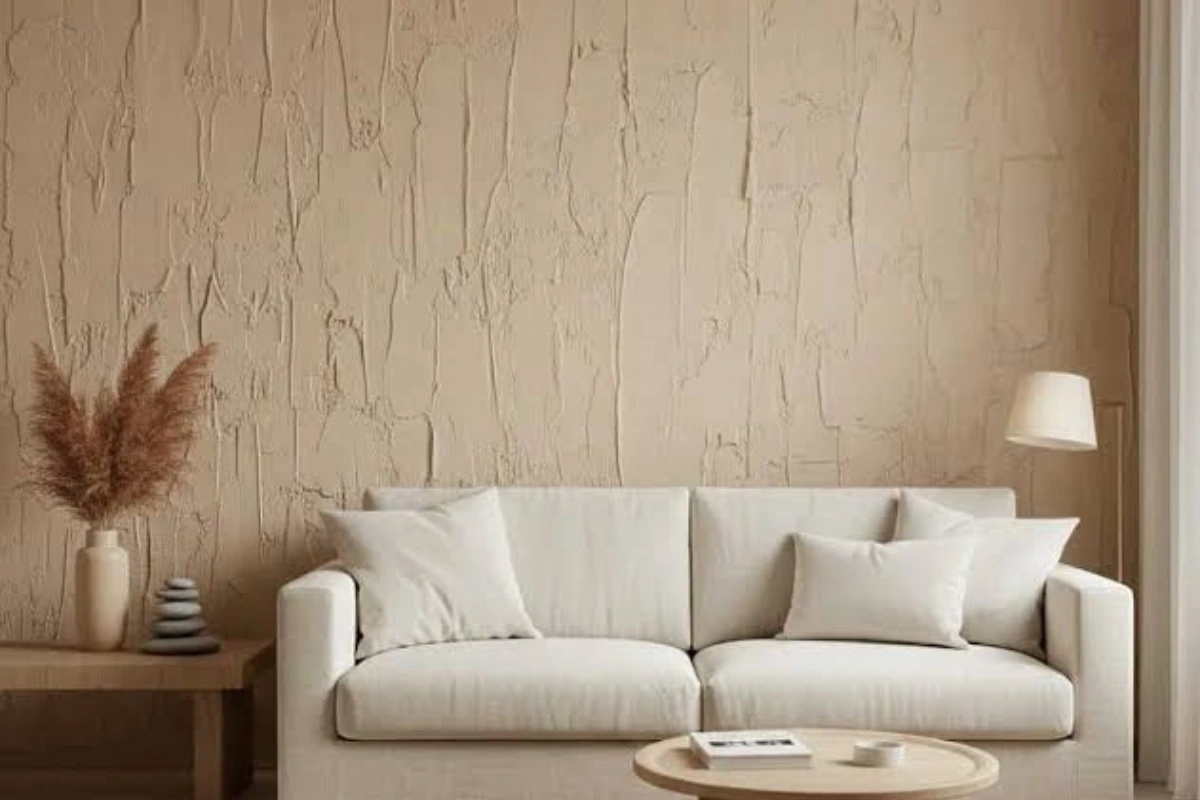
Beige and greige are currently in trend for offices. They offer a friendly yet still professional feel. This is especially great when you want to decorate an office using neutral colours, but don’t want it to look dull and boring.
Beige can be teamed up effectively with wooden furnishings, cream walls and warm light bulbs. Adding grey gives a more modern feel to the beige colour, which is known as greige.
Both of these colours can be used as a background for an office. Then blue, green or terracotta can be added by using coloured feature walls. They are also good colours for reception and executive offices.
Soft Orange and Terracotta
Soft oranges and terracotta can be used to add a lively feel to an office environment. They are great for areas of offices where staff gather to communicate and share information.
While a bright orange colour could be striking, it is often not ideal for spaces requiring staff to focus. Therefore, it is better to use soft orange tones or terracotta colours on a statement wall, around team working areas and within a design or innovation section.
This colour scheme also complements cream, beige and warm white colours together with natural wood. It can be used by businesses keen to produce a more relaxed and approachable office environment.
Popular Colours to Boost Office Productivity Based on Work Requirements

Sure, colours can be an important consideration when designing an office, but it is also important to analyse the role of your staff within the business. A colour which is appropriate for a meeting area may not be as suitable for a section of your business where staff mostly deal with complex tasks or fine detail.
Employees often need to be able to concentrate so blue, sage green and pale grey are all appropriate. These colours are more subtle and calming than brighter shades and do not stimulate the eye as much.
A pale blue can be used on the walls in conjunction with work areas. Whereas a pale grey can form the main background colour with subtle green elements. Too many contrasting colours should not be included within an individual’s work area as this could result in a stimulating environment.
Office Wall Color Combinations for Modern Dubai Offices

Using a single color throughout your office sounds easy but it can be boring. Combining two or three shades can create a more interesting interior. Here are some office wall color combinations worth considering.
White and Light Grey

White and light grey is a sophisticated and professional colour combo. It is suitable for offices, tech-related, and administrative businesses.
Beige and Sage Green
Both beige and sage green can be great to create a more laid-back and natural feel. Beige adds a sense of cosiness and the sage green works as a gentle accent color.
Navy Blue and White
A navy and white colour scheme is more business-like. A single navy wall could be used within a mainly white room. These two are the perfect meeting room paint colors.
Moreover, this is a great colour combination for boardrooms, executives and service-based businesses. It is also versatile enough to work with simple furnishings and shiny accessories.
Grey and Yellow
Grey and yellow can be used together strikingly. Grey acts as a neutral colour and yellow brings vibrancy and positivity to a space. Light grey can be used on most interior walls. Soft yellow can then be added to shared or design spaces. This works especially well in contemporary offices and where there is minimal furniture.
Terracotta and Cream
Terracotta and cream colours are good if you want to create a more ‘earthy’ environment. Cream colour adds optimal light and terracotta brings added interest and dimension. It is a great colour scheme for a reception, art studio and relaxed conference area. You can complete the look by adding wood accents and basic artwork.
Also Read: How Much Does Wall Painting Cost in Dubai?
Tips for Choosing the Right Office Paint Colors in Dubai

Before finalizing your office paint colours, consider a few practical details. These factors will help you avoid common mistakes and select shades that remain comfortable throughout the working day.
Consider Natural Lighting
As Dubai gets lots of sun and natural light, offices can experience varying light levels. This can cause the colour of a wall to change during the day or during different weather conditions. To avoid any mistakes, you can test the colours on the office walls at different parts of the day. Moreover, you can compare these colours under normal office lighting to ensure that you are happy with the colour choice.
Consider Your Brand Identity
Your office environment and your brand should relate to each other. If your brand works with blue and white, then both these colours can be used on office walls or key locations. While there is no requirement to use all elements of your brand within the office, it is more logical to use a neutral background with limited areas of your brand’s colours.
Choose the Right Paint Finish
Paint finish also has a significant impact on how your office looks. Matt paint is flat and is good at minimising glare. Eggshell paint has a slight gloss and can be used within a variety of offices. Satin paint can be easily cleaned and is the best for receptions, corridors and high-traffic areas. You should consider the state of the walls, the level of foot traffic, and the ease of cleaning when deciding which type of paint to use.
Avoid Too Many Contrasting Colours
Using too many colours in one office often makes the interior look disorganised. Select one primary color, one secondary shade, and a smaller accent color. This approach keeps the office visually consistent while allowing you to introduce some variety between different departments.
Match Paint Colours with Furniture
Your office furnishings, floor coverings, doors and screens should all match the colour scheme of your walls. Beige and sage green are good with wood and white and grey is a good combination with black or metal. Consider all these elements together before choosing the final paint palette.
Frequently Asked Questions
Which Office Paint Color Is Best for Productivity
Common colours in offices for good productivity include blue, green and pale grey. Blue produces a relaxing environment and is good for a space where staff must concentrate. Green is also very relaxing and pale grey is modern and professional. Choose a colour that is appropriate for your workforce.
What Colors Are Best for Small Offices?
Light pastel colours such as white, cream, beige and pale grey are good small office paint colours. Light colours will reflect natural light around the office, which makes it feel more open and light. You can also paint a single wall in a muted secondary colour to add interest without creating an overstimulating environment.
Which Color Is Best for Meeting Rooms?
Pastel shades such as soft blue, light grey and green are ideal for an office meeting area. They provide a relaxing environment. However, if you have a more formal boardroom then a combination of navy blue and white or grey works well.
Do Dark Colors Work Well in Offices?
Yes, dark colours such as navy blue, charcoal grey and olive green can also be great. These are good for accent walls, as well as for executive and board rooms. However, dark colours may not be ideal if your office is on a small scale or lacks natural light.
What Office Colors Help With Creativity?
Common pastel shades include yellow, orange and terracotta. They are commonly found in more contemporary, social areas such as meeting, design and team rooms. Although, too bright of a colour can be unhelpful, therefore caution is required.
How Does Natural Light Affect Office Paint Colours?
Natural light can also have an impact on the colours within an office. Offices with lots of big windows will generally allow a lot of natural light in and can often make colours seem even lighter. However, offices which do not receive a great deal of natural light can at times look even darker when certain colours are used. Ideally, you should test out different colours on sections of walls within your office and then assess how they look during the day.
Should Office Paint Match Brand Colours?
While office colour schemes should reflect your brand, it is not essential to add your brand colours throughout your office. You should instead use a neutral main colour, and then add some of your brand colours as accents.
Tags: Wall Painting